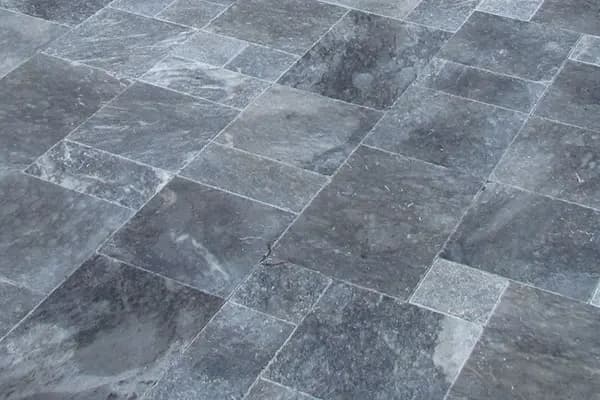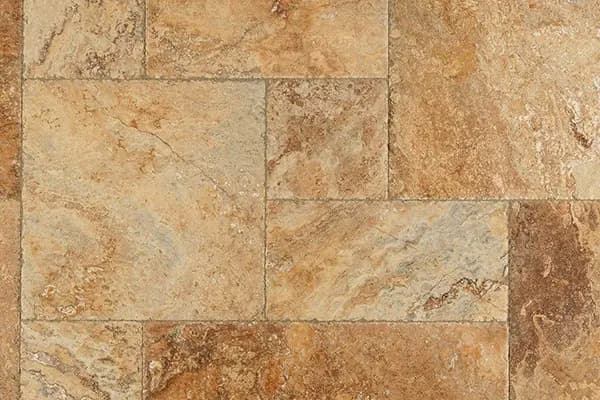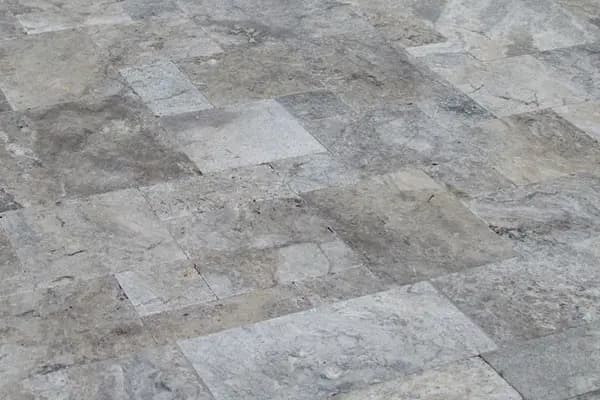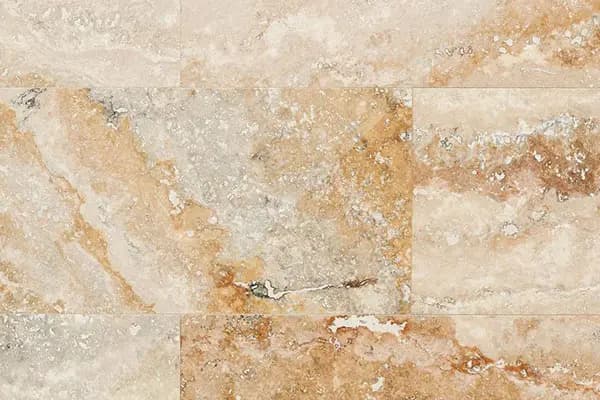
Benefits of Travertine Tile and Pavers
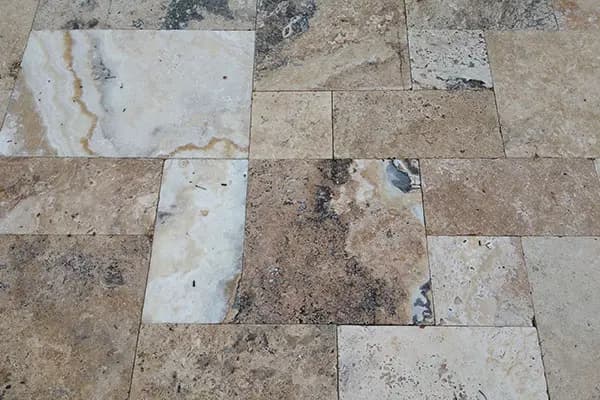
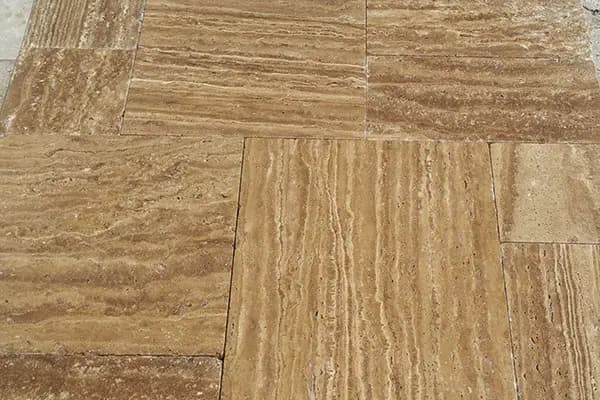
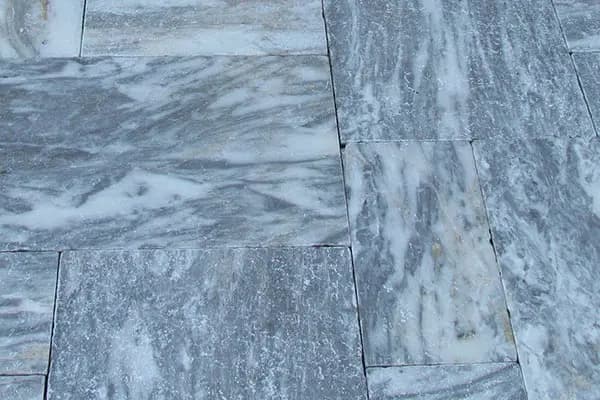
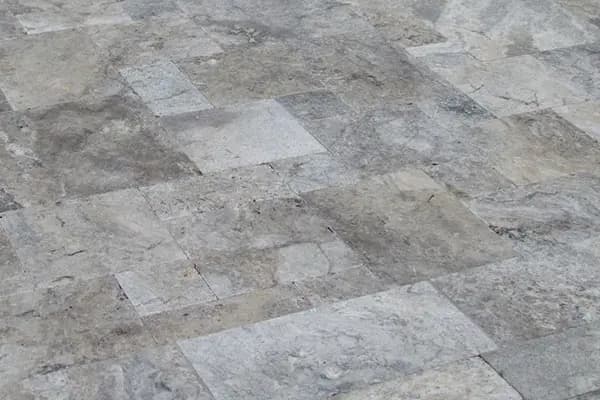
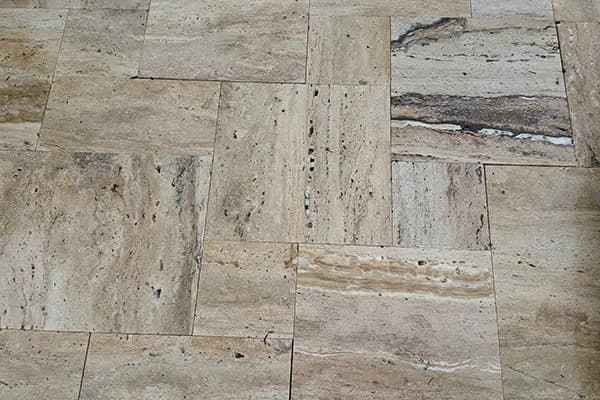
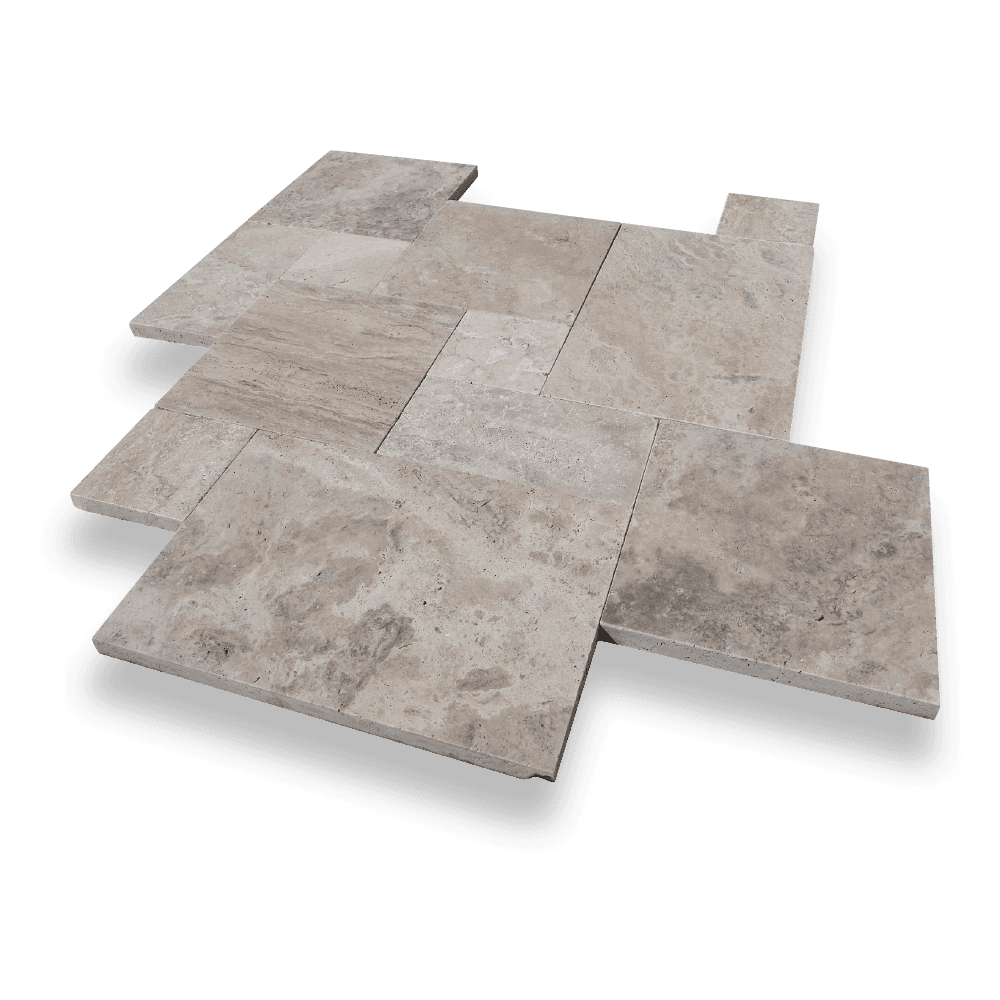
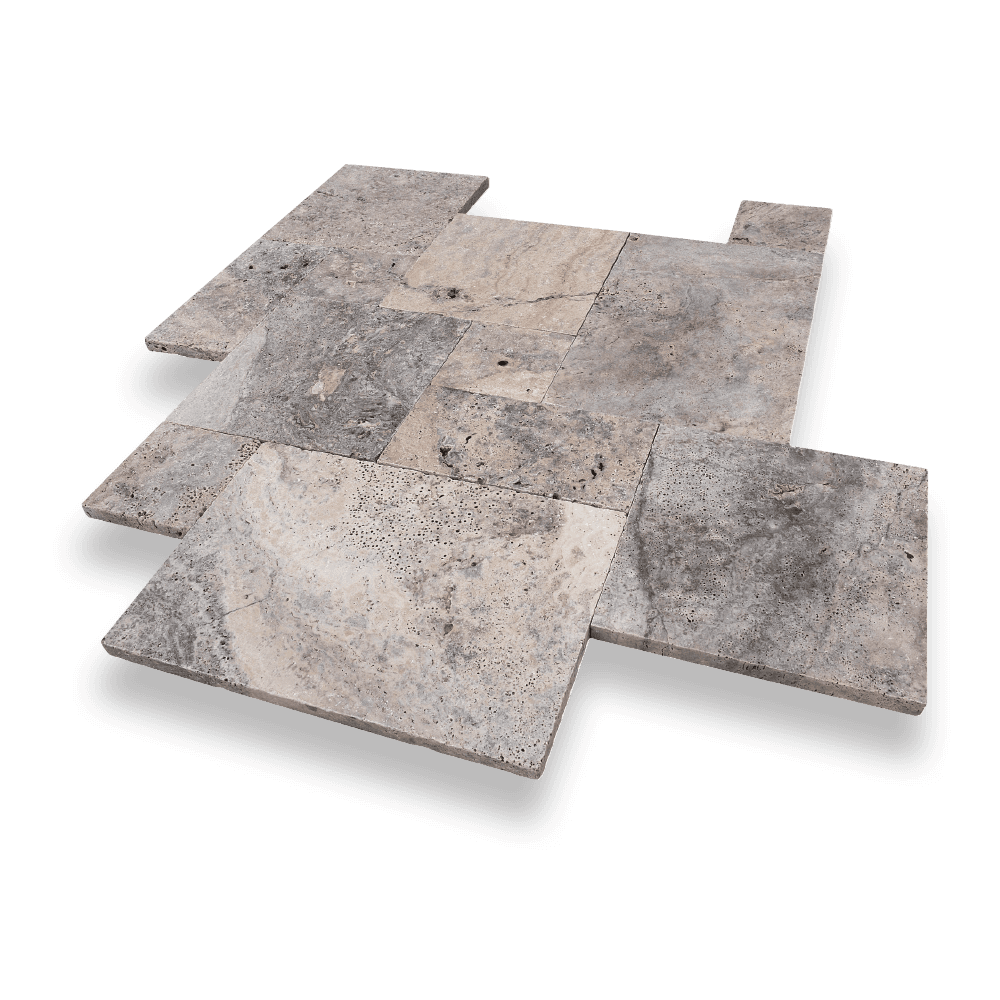
Contractors often use travertine tile and pavers in construction projects, such as for paving pool areas, and contractors can list many benefits of travertine tile.
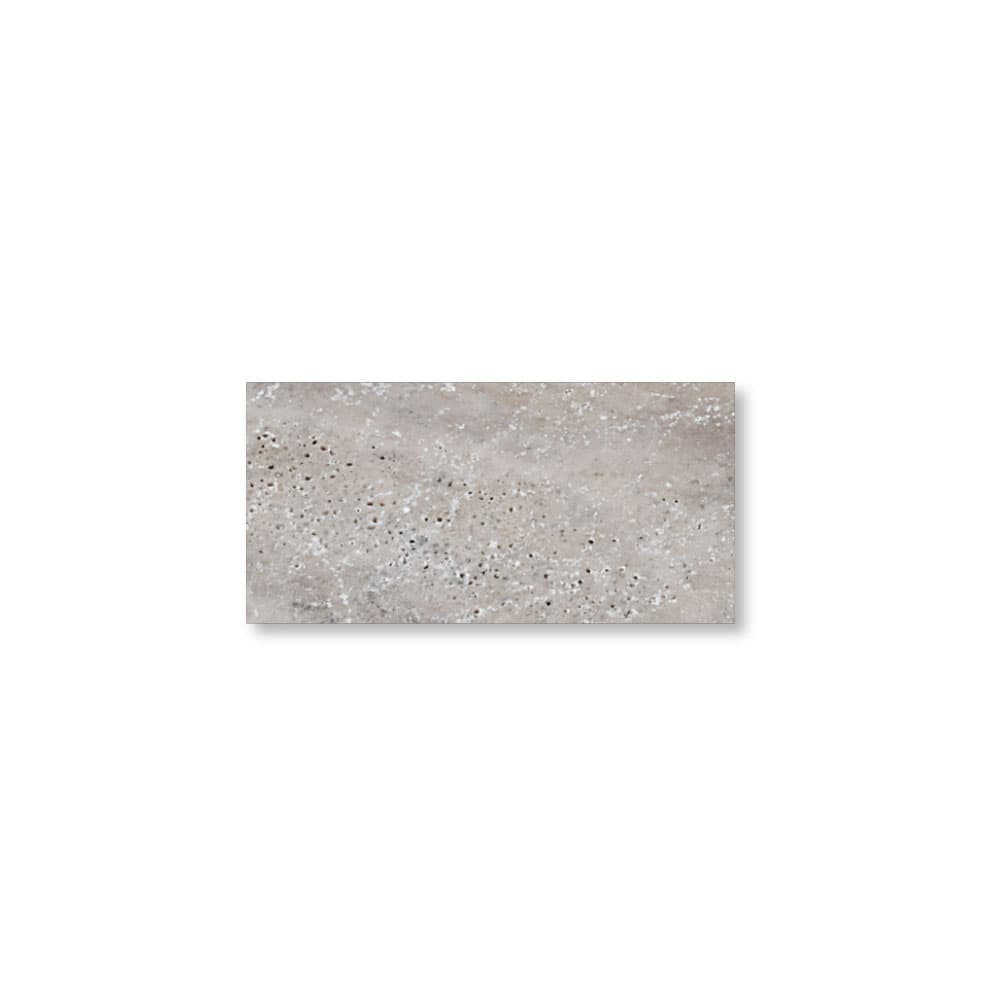
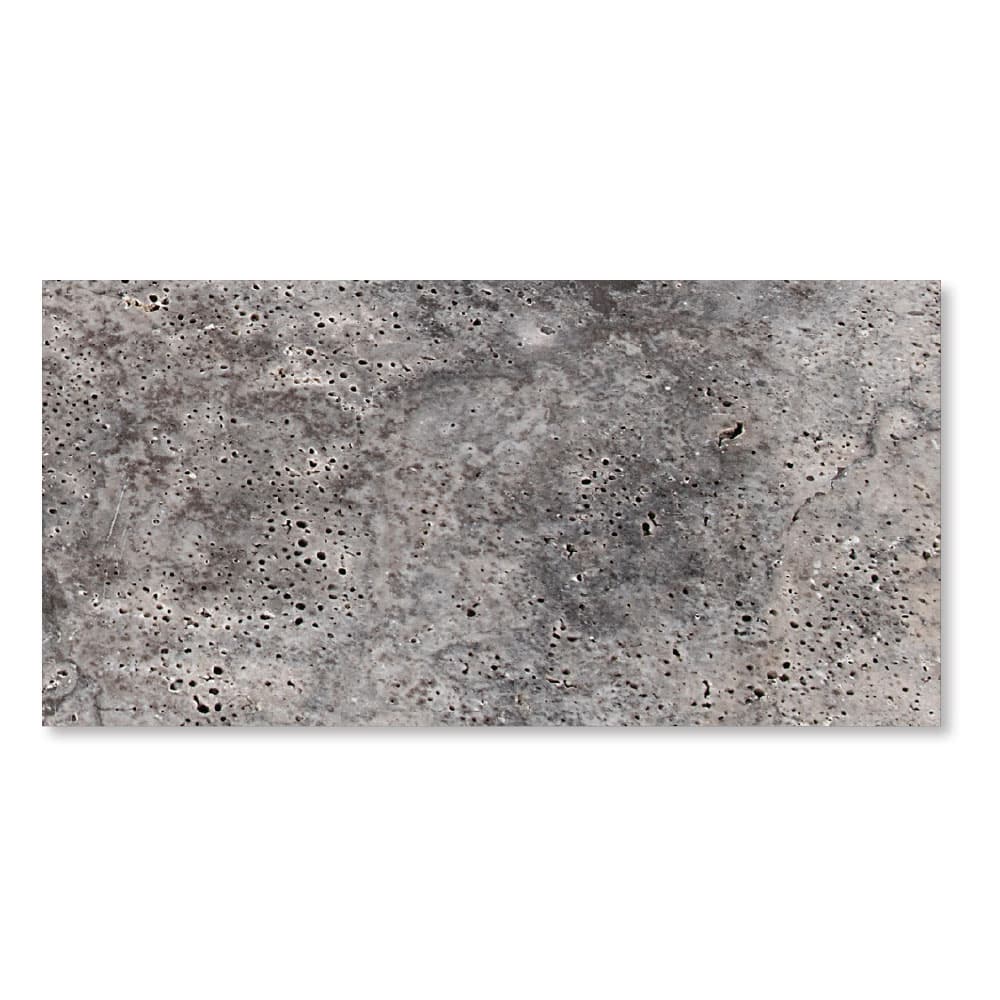
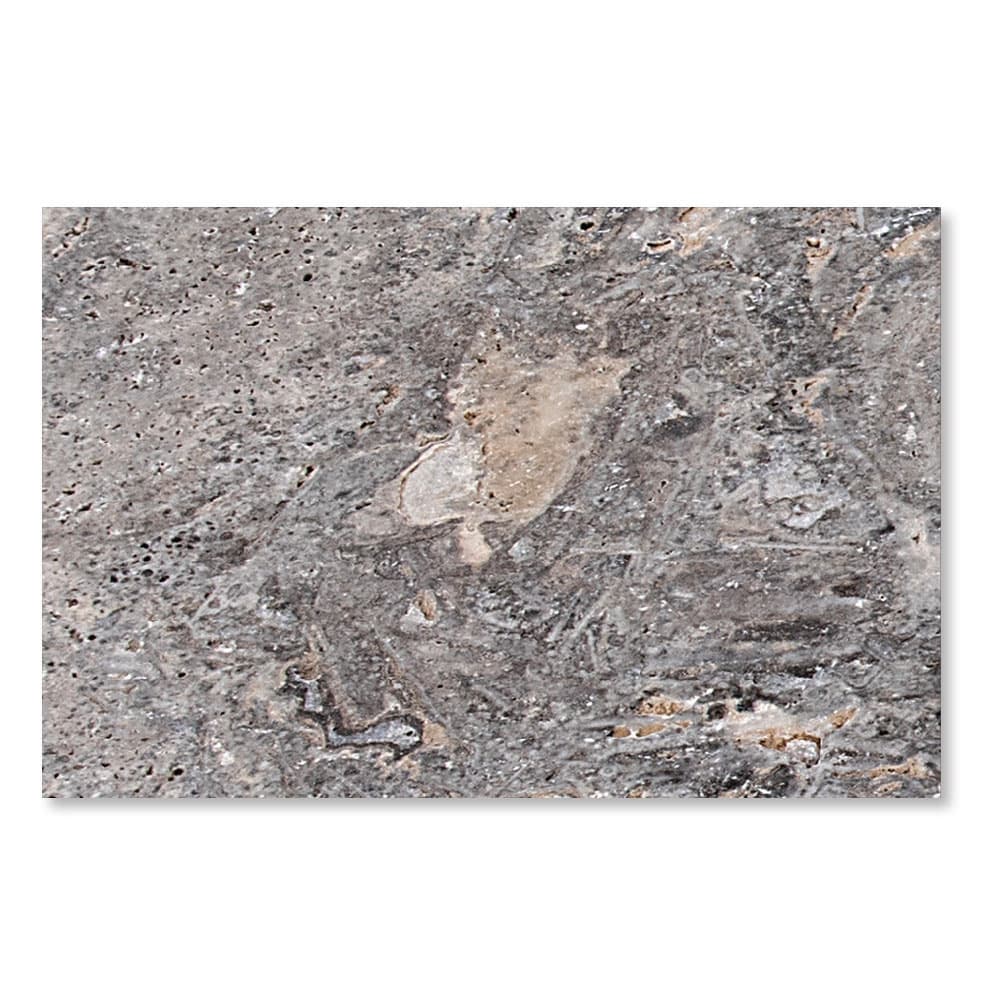
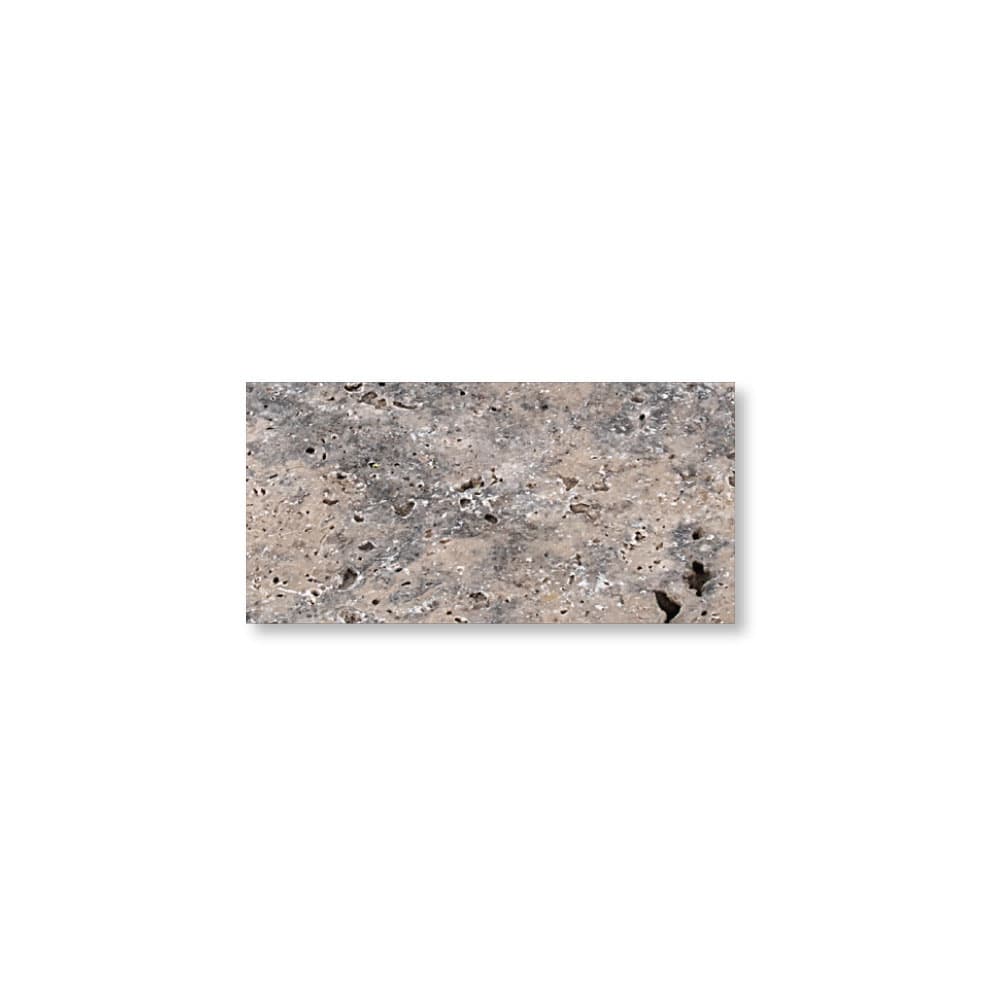
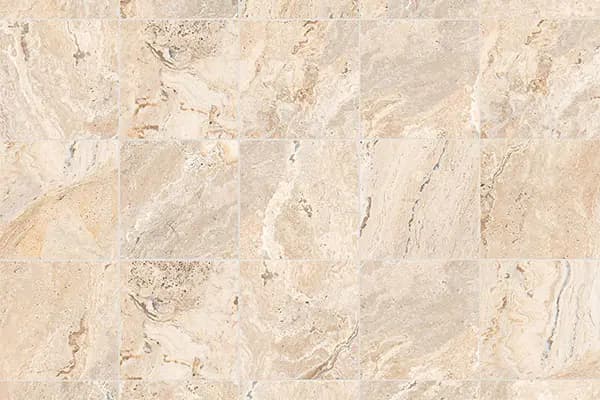
Travertine is a natural stone formed when minerals dissolve in water that is then pushed by natural springs above the surface. The stone is often found near hot mineral springs or limestone caves. Travertine is a form of almost-limestone that has formed without the additional heat and pressure that would be needed to create limestone.
Five Benefits of Using Travertine Tile and Pavers
Though travertine has many benefits, below are five of the most commonly recognized.
Travertine is a strong material: two to three times as strong as concrete, in fact. This strength comes from having been compressed for many years. With proper care, travertine can last for decades, even centuries.
Natural stone tiles and pavers are easy to replace if one gets damaged or broken,
unlike concrete slabs. Remove the broken tile and several others in the area, and swap in new tiles mixing with the original so that the colors blend throughout. Contractors can advise clients to order extra tiles for easy repair and to have them on hand. With concrete slabs you would have to replace the whole surface in order to keep a surface looking new.
Travertine tiles and pavers are able to survive the freeze-thaw cycle in cold climates because of their unique vertical capillary action which allows moisture to escape. This also allows the ground’s coolness to radiate upwards and keep the stone cool.
Natural stone tiles and pavers are easy to replace if one gets damaged or broken,
unlike concrete slabs. Remove the broken tile and several others in the area, and swap in new tiles mixing with the original so that the colors blend throughout. Contractors can advise clients to order extra tiles for easy repair and to have them on hand. With concrete slabs you would have to replace the whole surface in order to keep a surface looking new.
The co-efficient friction ASTM testing of travertine shows that travertine stone is good for outdoor and indoor areas, in both wet and dry conditions. This factor is especially important for commercial or municipal properties where slippery conditions present a potential for liability if someone is hurt in a fall.
Where to Use Travertine Tile and Pavers for Indoor and Outdoor Spaces
Places that are optimal for travertine tile and paver options are plentiful. Contractors and homeowners often choose to install travertine for any combination of the benefits above.